

What Your Tradesperson Wishes You Knew Before Starting a Home Renovation

Renovating your home is exciting. You picture the finished result - a beautiful new bathroom, a modern kitchen, or a space that finally works the way it should.
But between that first idea and the final reveal, there’s usually a moment where reality kicks in. Walls come down. Pipework appears. Someone says the words “that might be a bit more complicated”.
This is the part most homeowners don’t see coming.
Tradespeople aren’t trying to ruin anyone’s renovation dreams - far from it. The goal is always to deliver a result that looks great and works properly for years to come. But there are a few things professionals wish every homeowner understood before starting a renovation project.
Understanding these things early can save time, money, and the occasional moment of staring at a half-finished wall, wondering why you started the project in the first place.
Renovations Almost Always Reveal Hidden Surprises
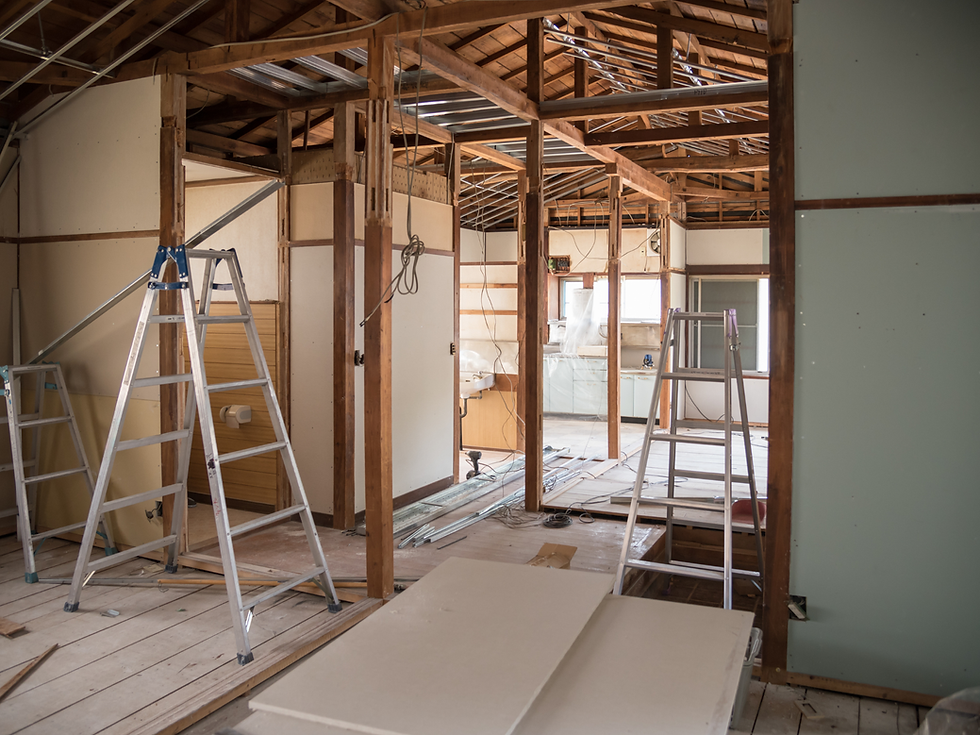
One of the most important things to understand about home renovations is that houses have secrets. Behind every wall, under every floor, and inside every ceiling is a network of pipes, wires, and structural elements that most homeowners never see.
During a bathroom renovation or kitchen refurbishment, it’s common to discover pipework that’s decades old, electrical wiring that no longer meets safety standards, or plumbing layouts that were installed long before modern appliances and fittings existed.
None of these discoveries are unusual. In fact, they’re incredibly common. The difference between a stressful renovation and a smooth one often comes down to planning for the possibility that something unexpected might appear once work begins.
Moving Things Is Harder Than It Looks
One of the most common requests during renovations is to move fixtures around. A toilet might need to shift slightly to improve the layout, or a sink might look better on the opposite wall.
On paper, it can seem like a simple adjustment. In reality, moving plumbing or drainage systems is rarely straightforward. Pipes must maintain correct gradients, connect to existing systems, and meet building regulations.
The same applies to electrics. Moving ovens, showers, or kitchen appliances often requires additional electrical circuits or upgrades to the consumer unit to ensure the system can safely handle the load.
This doesn’t mean changes can’t be done - just that they sometimes require more planning than people expect.
Good Work Often Happens Where You Can’t See It
When homeowners imagine a renovation, they tend to focus on visible finishes - tiles, worktops, taps, lighting, and paint colours. Those things matter, of course, but the most important parts of a renovation are usually hidden behind walls and under floors.
A properly installed plumbing system, safe electrical wiring, and a reliable heating system are what ensure your renovation works long after the dust has settled.
For example, upgrading pipework during a bathroom installation might not be something you notice day to day. But it prevents leaks, improves water pressure, and protects your home from costly damage in the future.
In other words, the work you never see is often the work that matters most.
Cheap Fixes Often Cost More Later
Every renovation involves balancing budget and priorities. It’s completely normal to look for ways to manage costs. However, experienced tradespeople often see the long-term consequences of cutting corners on important systems.
Choosing cheaper fixtures or avoiding necessary upgrades to plumbing or electrics can sometimes lead to problems months or years down the line. For example, keeping outdated pipework in place during a renovation might save money initially, but it also increases the risk of leaks or reduced water pressure later.
Investing in proper plumbing upgrades, safe electrical installation, and reliable heating systems during a renovation often prevents far more expensive repairs in the future.
Planning Ahead Makes Everything Easier
One of the biggest factors that determines whether a renovation runs smoothly is preparation. The more decisions that are made before work begins, the easier it is for tradespeople to plan installations efficiently.
Things like appliance locations, lighting positions, heating requirements, and plumbing layouts all affect how a space is built. When these decisions change mid-project, it can lead to delays and additional work.
This doesn’t mean homeowners need to plan every tiny detail perfectly, but having a clear overall vision for your kitchen renovation or bathroom refurbishment helps avoid unnecessary complications.
Communication Makes the Biggest Difference
Renovations work best when homeowners and tradespeople communicate openly. Asking questions, discussing options, and understanding why certain recommendations are made can make the entire process far less stressful.
Most tradespeople genuinely want to deliver the best possible result. If something unexpected appears or a better solution is suggested, it’s usually because they’re trying to ensure the finished space functions properly, not just looks good.
And sometimes, that conversation can prevent problems that might otherwise show up months after the renovation is finished.

The Best Renovations Balance Style and Practicality
It’s easy to get caught up in design inspiration. Social media and home improvement shows are full of stunning kitchens and bathrooms that look incredible on camera.
But the most successful renovations combine style with practical systems that work reliably day after day. A beautiful bathroom with poor water pressure quickly becomes frustrating. A stylish kitchen with overloaded electrics or poor ventilation can cause problems over time.
Balancing design with strong plumbing, heating, and electrical systems ensures your renovation continues to perform as well as it looks.
Renovations Should Improve How Your Home Works
At its core, a renovation isn’t just about changing how a space looks. It’s about improving how your home functions.
Better plumbing can improve water pressure. Updated electrics make homes safer and more capable of supporting modern appliances. Efficient heating systems make rooms more comfortable and reduce energy costs.
When these systems are planned properly during a renovation, the result is a home that not only looks better, but works better too.
And ideally, once everything is finished, the only thing you’ll notice is how much easier daily life feels in a space that finally works the way it should.
Looking to renovate your property? Get in touch today


